That sticky, yellowish film coating your rangehood—the notorious grease buildup—is more than just an eyesore. It's a fire hazard, a smelly inconvenience, and a sign that your kitchen needs a deep breath. While the thought of tackling years of accumulated kitchen residue can feel like confronting a sticky, oily villain, don't worry. Cleaning this buildup doesn't require industrial-grade hazmat suits or expensive professional services. With the right knowledge and a few simple household items, you can conquer this chore and restore your kitchen to its former glory. This comprehensive guide will walk you through exactly how to clean rangehood grease buildup at home, ensuring your efforts are safe, effective, and manageable, even if you haven't tackled a deep clean since the Clinton administration.
Safety First: Preparing for the Grease Gauntlet
Before you grab the vinegar and the sponges, we need to talk safety. Grease buildup, especially when combined with heat, can be volatile. Think of it like a time bomb of culinary residue. Our primary goal is to make the process effective without creating a mess or, worse, a plume of smoke.
Essential Gear Check
Safety gear is non-negotiable. You are dealing with potentially caustic chemicals (even natural ones like vinegar, when concentrated) and slippery surfaces.
- Ventilation: Open windows and turn on exhaust fans in the room. Fresh air is your best friend. Personal Protective Equipment (PPE): Wear rubber gloves and safety glasses. This isn't just about looking professional; it’s about protecting your skin and eyes. Tools: Gather old towels, scrubbing brushes (dedicated only to the rangehood), and a bucket for soaking parts.
Assessing the Mess: What Are We Cleaning?
The cleaning method depends heavily on the type of rangehood you have. Are you dealing with a built-in, ducted model, or a simpler, recirculating unit?
- Ducted Systems: These connect to an external exhaust vent. They generally require more intensive cleaning because the grease has a direct path to build up. Recirculating Systems: These filter the air and often contain carbon filters. While they are simpler, they can still harbor grease, and these units often require a specific type of filter replacement.
Knowing your system helps you determine the depth of the cleaning required. Are you simply dusting, or are you diving deep into the ductwork?
Tackling the Grease: DIY and Commercial Approaches
The actual cleaning process can be broken down into three main areas: the filters, the exterior surfaces, and the ductwork itself. Fortunately, you don't need a chemistry degree to make progress.
Deep Dive: Cleaning the Filters
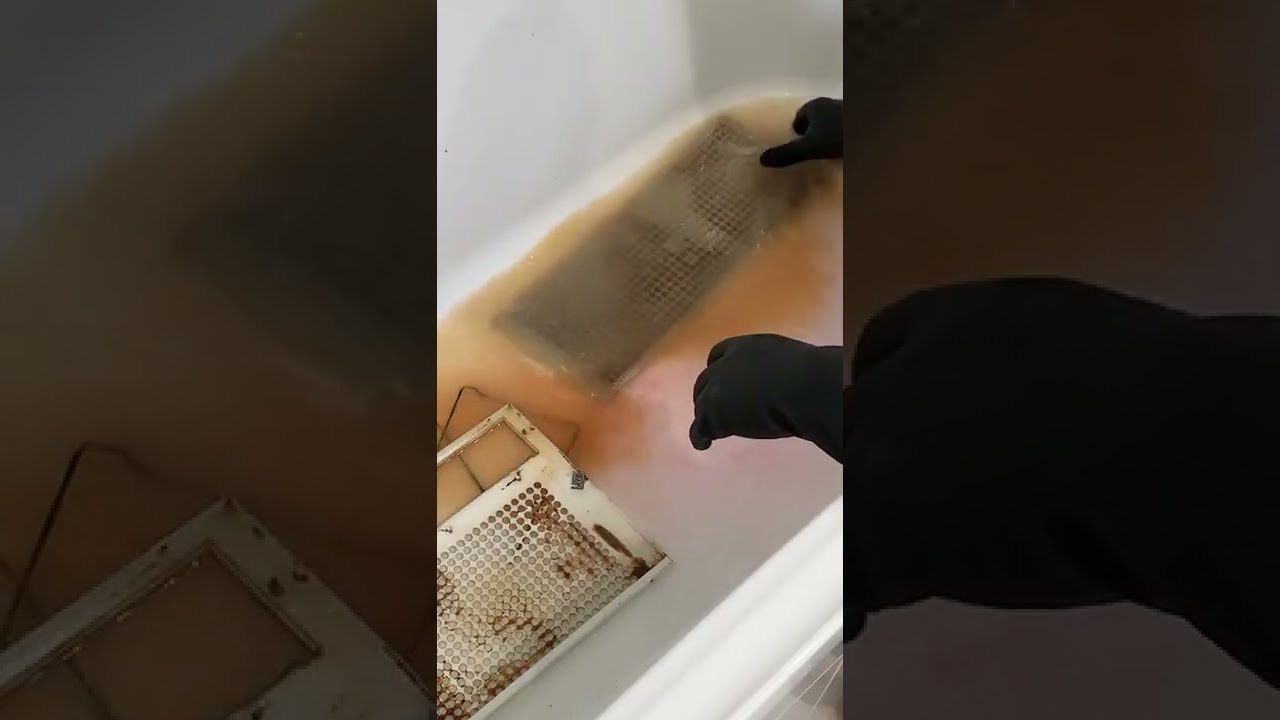
The metal grease filters are the primary culprit, acting like sticky sponges for kitchen residue. These must be removed and soaked first.
- The Soaking Method: Fill a large sink or bucket with very hot water and add a generous cup of dish soap or a mixture of hot water and vinegar. Submerge the filters completely. Let them soak for at least 30 minutes. The goal here is to let the chemical action do the heavy lifting, allowing the soap and heat to loosen the stubborn, polymerized grease. Scrubbing: Once softened, remove the filters. Using a stiff brush and hot water, scrub the residue off. Remember, the grease is stubborn—it’s like trying to peel years of sticky wallpaper off a wall. Patience is key.
Natural Power: Baking Soda and Vinegar Solutions
For those who prefer a chemical-free clean, nature offers potent alternatives. This method is gentle but requires elbow grease.
- Baking Soda Paste: Mix baking soda with a little water to create a thick paste. This paste is excellent for scrubbing porous surfaces and neutralizing odors. Vinegar Spray: Combine equal parts white vinegar and water in a spray bottle. This mixture is a mild acid that cuts through mineral deposits and grease film. Spray the exterior and allow it to sit for 15 minutes before wiping.
When to Call in the Professionals: Commercial Cleaners
Sometimes, the buildup is so thick—so deeply polymerized—that DIY methods simply won't cut it. If you feel like you’re fighting a losing battle against rangehood cleaning Parramatta a sludge monster, it might be time to consider a professional. While the cost can sting, remember that a clean rangehood is worth the peace of mind. "A clean kitchen is a happy kitchen," as the saying goes, and nothing screams "unhappy" quite like a greasy, grimy appliance.
Sustaining a Spotless Kitchen: Prevention and Maintenance
The most effective way how to clean rangehood grease buildup at home is to never let it get this bad in the first place. Prevention is always easier (and less dramatic) than deep cleaning.
Routine Cleaning Habits
Think of your rangehood like a car engine: it needs regular oil changes, not just an overhaul every decade.
- Wipe Down Daily: After cooking high-grease meals (like frying or sautéing), use a damp cloth to wipe down the visible exterior and filters. This small habit prevents buildup from setting root. Filter Checks: Check your removable filters weekly. If they look visibly greasy, soak them immediately in hot, soapy water, even if you don't feel like doing a full deep clean. The Simple Wipe: Keep a designated cleaning spray and cloth under the sink. When you cook, make a point to wipe down the surrounding area while the stovetop is still warm—the residual heat helps loosen the oils.
Troubleshooting Stubborn Grease
If, despite your best efforts, a patch of grease remains, do not panic. Instead of scrubbing harder (which can damage the finish), try gently scraping the area with a plastic scraper or a wooden spatula. For stubborn spots, a poultice made of baking soda and hydrogen peroxide can sometimes lift the residue without scratching the surface.
Remember, tackling this chore doesn't have to feel like climbing Mount Everest. By understanding the nature of the grease, having the right tools, and committing to regular maintenance, you can keep your kitchen running smoothly and safely. Is it really that difficult to maintain a clean appliance? With consistent effort, you’ll find that keeping your rangehood pristine is a small investment for a huge return in safety and aesthetic pleasure. By integrating these tips into your routine, you’ll find that keeping your kitchen spotless is a manageable part of life, not an insurmountable chore.
HygieneXperts - Commercial & Residential Cleaning Services
12C Tungarra Rd Girraween NSW 2145 Australia,
61498203983